An engine naturally makes more noise when it works harder. Accelerating onto the highway, climbing a hill, carrying extra weight, or passing another vehicle all require more fuel, airflow, and combustion pressure. A modest increase in sound during those moments can be normal.
The concern begins when the engine suddenly sounds much louder than it used to, produces a new tapping or roaring tone, or becomes noisy under loads it once handled quietly. Exhaust leaks, ignition problems, intake restrictions, low oil, worn mounts, and internal engine wear can all become more noticeable when the engine is asked to produce additional power.
Exhaust Leaks Become Louder During Acceleration
Exhaust pressure rises when you press the accelerator. A small leak near the exhaust manifold, gasket, flex pipe, or another connection may be difficult to hear at idle but become much louder under load. The sound may resemble ticking, puffing, roaring, or a deep growl from the front or underside of the vehicle.
Leaks near the engine often sound sharp during a cold start and may quiet slightly as metal parts expand. Soot around a joint, an exhaust smell near the cabin, or a noise that follows engine RPM can provide useful clues. Exhaust entering the passenger area is a safety concern and should be addressed promptly.
Spark And Fuel Problems Can Make Combustion Sound Harsh
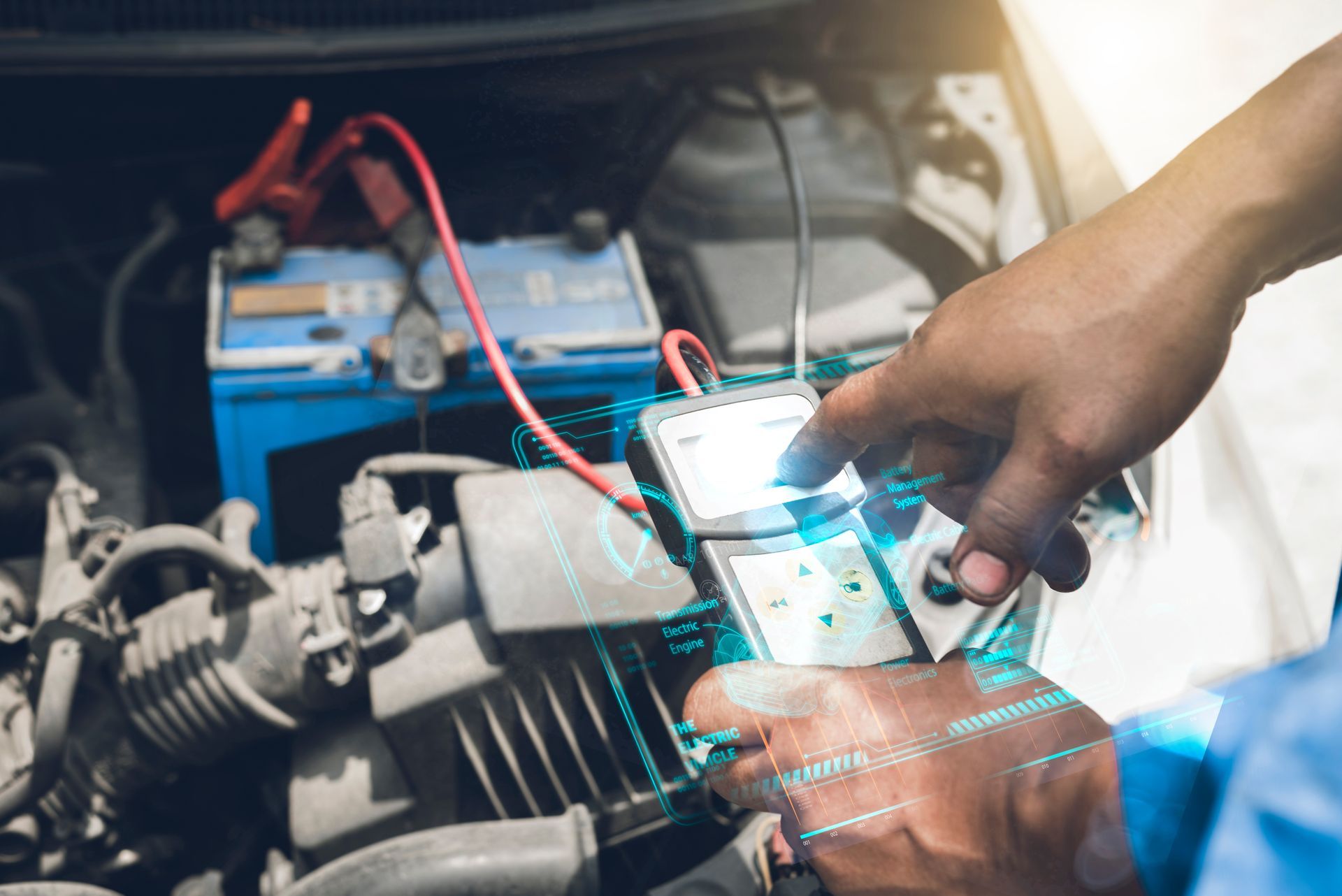
Worn spark plugs, weak ignition coils, dirty injectors, or poor fuel delivery can keep one or more cylinders from producing even power. The engine may sound acceptable during light cruising but become rough, loud, or strained during acceleration because higher load requires stronger ignition and precise fuel control.
You may also feel hesitation, vibration, reduced power, or a brief stumble. A mild misfire may not turn on the check engine light immediately, although misfire information may still appear in scan data. Continued misfiring can overheat the catalytic converter and increase stress on the engine.
Low Oil Or Incorrect Oil Can Increase Mechanical Noise
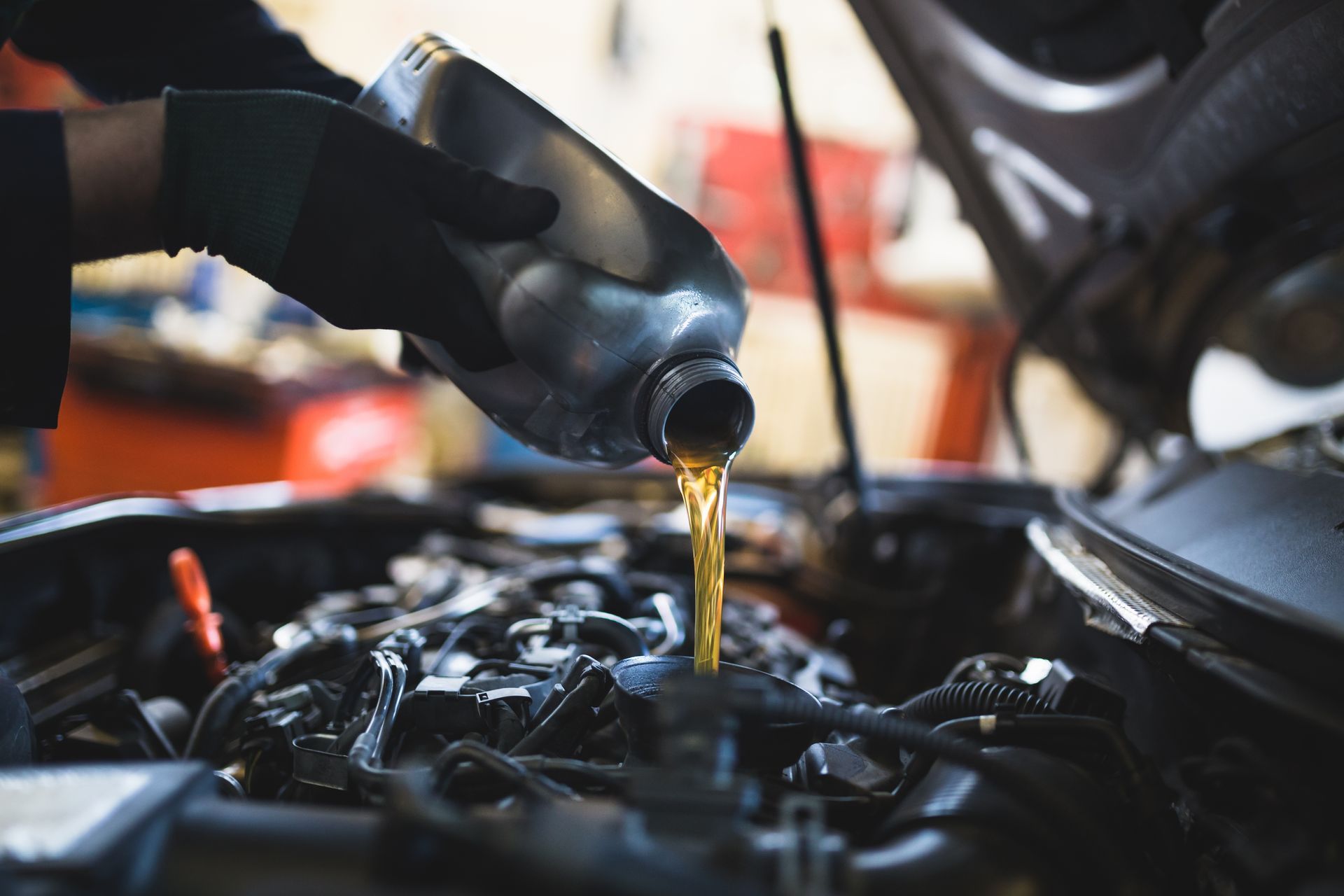
Engine oil creates a protective layer between bearings, camshafts, timing components, and other moving parts. If the oil level is low, pressure drops, or the wrong viscosity is used, mechanical noise may become more noticeable as engine speed and load increase.
A ticking, tapping, rattling, or knocking sound deserves attention, especially if an oil pressure warning joins it. Check the oil level with the vehicle parked correctly and follow the manufacturer’s procedure. Adding oil may protect the engine temporarily, but the reason for a low level, such as a leak or oil consumption, still needs to be identified.
Intake Restrictions Can Make The Engine Work Harder
The engine needs enough clean air to match the amount of fuel used during acceleration. A heavily restricted air filter, damaged intake hose, carbon buildup, or contaminated airflow sensor can reduce or distort the air supply. The engine may feel weak and sound strained because it has to work harder to produce the requested power.
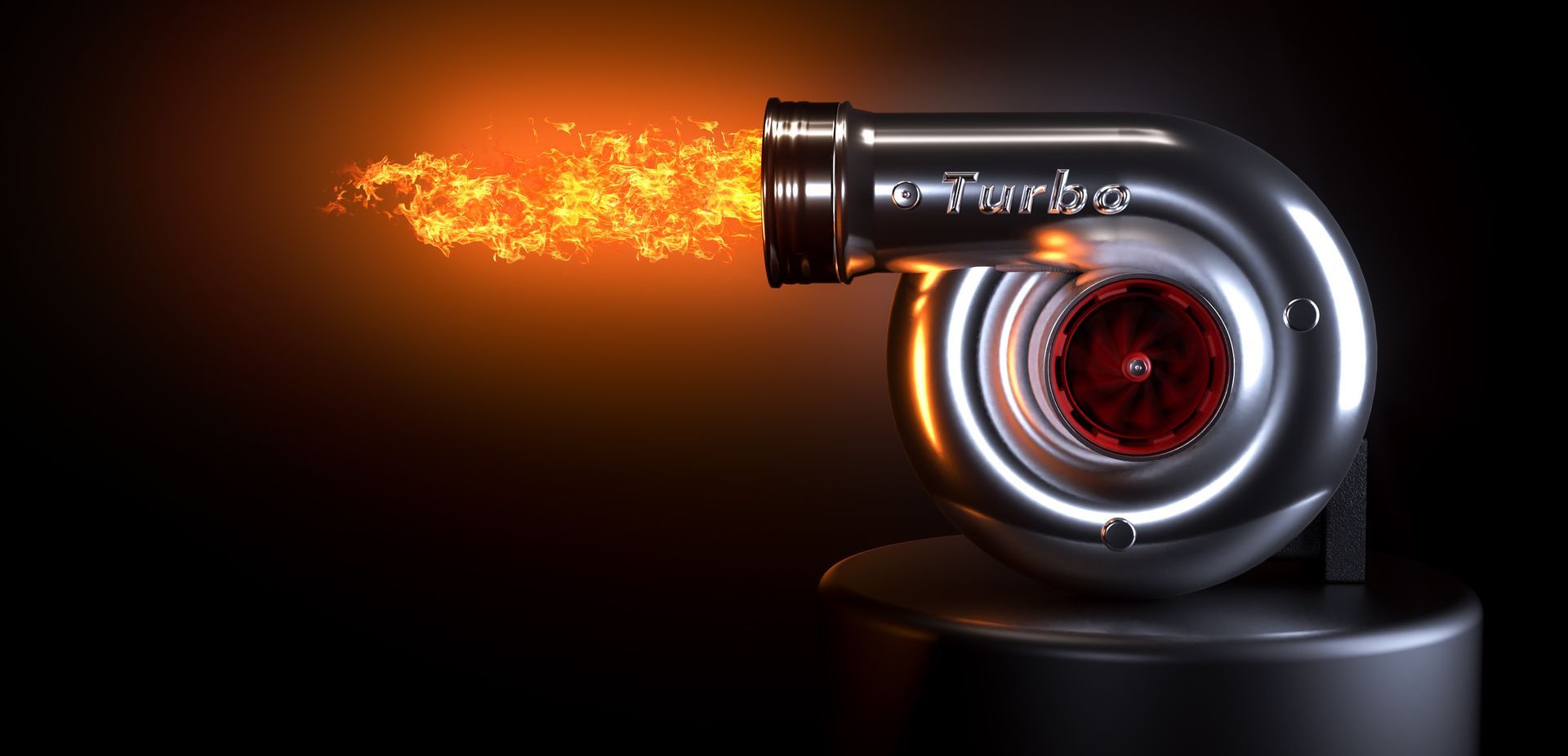
Turbocharged engines can develop leaks in boost hoses, intercooler connections, or control components. Escaping pressurized air may create a loud rushing, hissing, or whistling sound under load. The vehicle may drive normally at light throttle but lose power when boost pressure should increase.
Worn Mounts Can Transfer More Noise Into The Cabin
Engine and transmission mounts hold the drivetrain in place while absorbing vibration. As rubber or hydraulic mounts weaken, more engine movement reaches the body. A normal increase in engine sound during acceleration may then feel much louder inside the vehicle.
Mount wear can also cause a clunk when shifting into gear, accelerating, or releasing the throttle. The engine may move farther than intended and place strain on exhaust joints, hoses, and wiring. An inspection can determine whether the noise is being created by the engine or simply transferred through a failed mount.
Internal Wear May Create Knocking Or Rattling
Bearings, timing components, valves, pistons, and other internal parts can become noisier as they wear. Some sounds appear only when combustion pressure rises, which is why the engine may be quiet while idling and begin knocking during acceleration or hill climbing.
A deep knock, metallic rattle, or repeated tapping that grows stronger under load should not be ignored. Low oil pressure, worn bearings, timing chain concerns, carbon buildup, or incorrect ignition timing may be involved. Continuing to demand power from an engine with a serious mechanical noise can increase the damage quickly.
When The Sound Needs Immediate Attention
Reduce the load and stop driving if the noise is joined by a flashing check engine light, low oil pressure warning, overheating, heavy smoke, or a major loss of power. A sudden loud bang or grinding sound can also indicate that a component has failed.
Regular maintenance can reduce the chance of some problems by keeping oil, filters, spark plugs, belts, and fluids within their service intervals. Still, a new noise should be tested rather than treated as a normal result of mileage. Note whether it appears during acceleration, at a certain RPM, on hills, or only after the engine warms up.
Get Engine Noise Diagnostics In Centereach, NY, With East End Auto Kicks
If your engine sounds louder while accelerating, climbing, or carrying a heavier load, East End Auto Kicks in Centereach, NY, can check the exhaust, ignition, fuel system, intake, oil pressure, mounts, and internal engine condition.