Factory-scheduled maintenance is meant to keep your vehicle on track as mileage and age add up. Oil changes are part of it, but the schedule can also call for filters, spark plugs, fluid services, tire checks, brake checks, and other items at specific intervals.
The dealership is one place to have that work done, but it is not the only place where scheduled service can be handled carefully. At our shop, we follow the maintenance requirements for your particular vehicle while also considering how the car is actually being used and what condition it is in today.
We Follow the Schedule for Your Specific Vehicle
A 30,000-mile service does not mean exactly the same thing on every car. Different manufacturers use different engines, transmissions, fluids, filters, ignition systems, and service intervals.
We look at the year, make, model, mileage, engine, and drivetrain before deciding what is due. That helps us avoid generic maintenance packages filled with services that may not apply to your car.
Driving conditions count too. A vehicle that spends hours in traffic, makes repeated short trips, tows regularly, or travels on dusty roads may need certain items checked more closely. The factory schedule gives us the foundation, and the vehicle's real-world use gives us the rest of the picture.
You Can Talk About What the Car Is Actually Doing
Scheduled maintenance is a good time to bring up small changes you have noticed. Maybe the brakes feel different in the morning, the engine hesitates once in a while, or a vibration appears only at highway speed.
Those details may have nothing to do with the maintenance service itself, but we still want to hear them. At East End Auto Kicks, you can explain what the vehicle is doing instead of treating the appointment as just a mileage number.
That conversation helps us separate routine service from a developing repair. If something deserves testing, we can discuss it with you rather than simply adding unrelated work to the scheduled maintenance list.
We Check the Car Beyond the Items Due That Day
A maintenance schedule tells us what should be serviced at certain intervals. It does not know that a tire picked up a nail last week, a hose started seeping, or one brake pad is wearing faster than the others.
An inspection during the visit gives us a chance to look for those changes. We may find something that can wait, something worth watching, or something that should be handled sooner.
Areas we commonly pay attention to include:
- Tire condition and pressure
- Brake wear
- Fluid levels and visible leaks
- Belts and hoses
- Battery condition
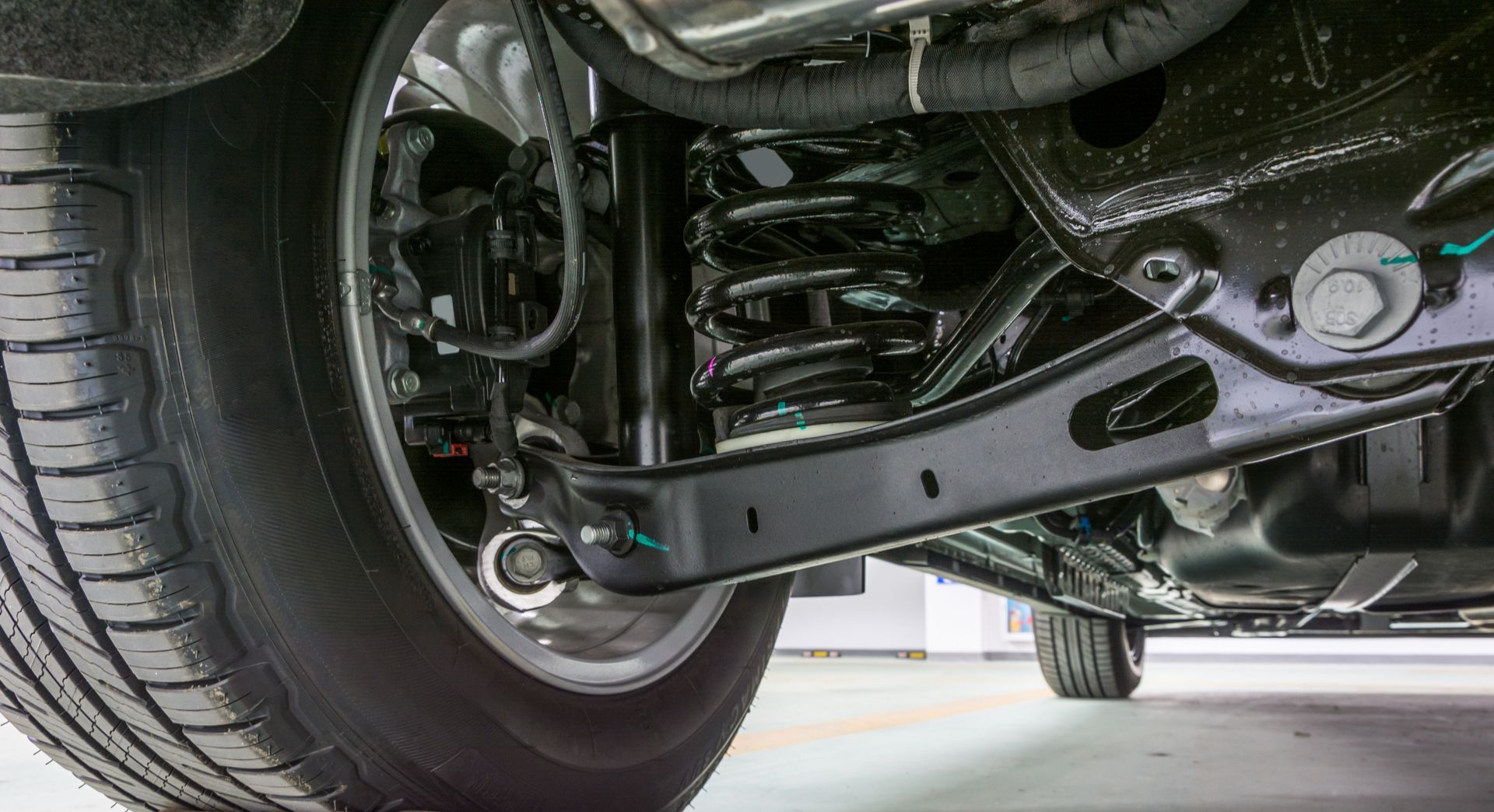
- Steering and suspension wear
- Exterior lights and wipers
The goal is not to turn every maintenance appointment into a long repair list. It is to give you a clearer picture of the vehicle while it is already in the shop.
We Can Help Prioritize What Needs Attention
Cars do not always need everything at once. A factory service interval might arrive at the same time the tires are getting low, the brakes are nearing replacement, and another repair has appeared unexpectedly.
We can help sort those items by urgency. A safety concern or active fluid leak deserves a different priority than a service that has some flexibility. That makes it easier to plan repairs around your budget without losing sight of what the vehicle needs.
At our shop, we would rather explain why something is recommended and where it fits in the overall picture. You should know what's due now, what's wearing out, and what can reasonably wait for a later visit.
The Right Fluids and Parts Still Count
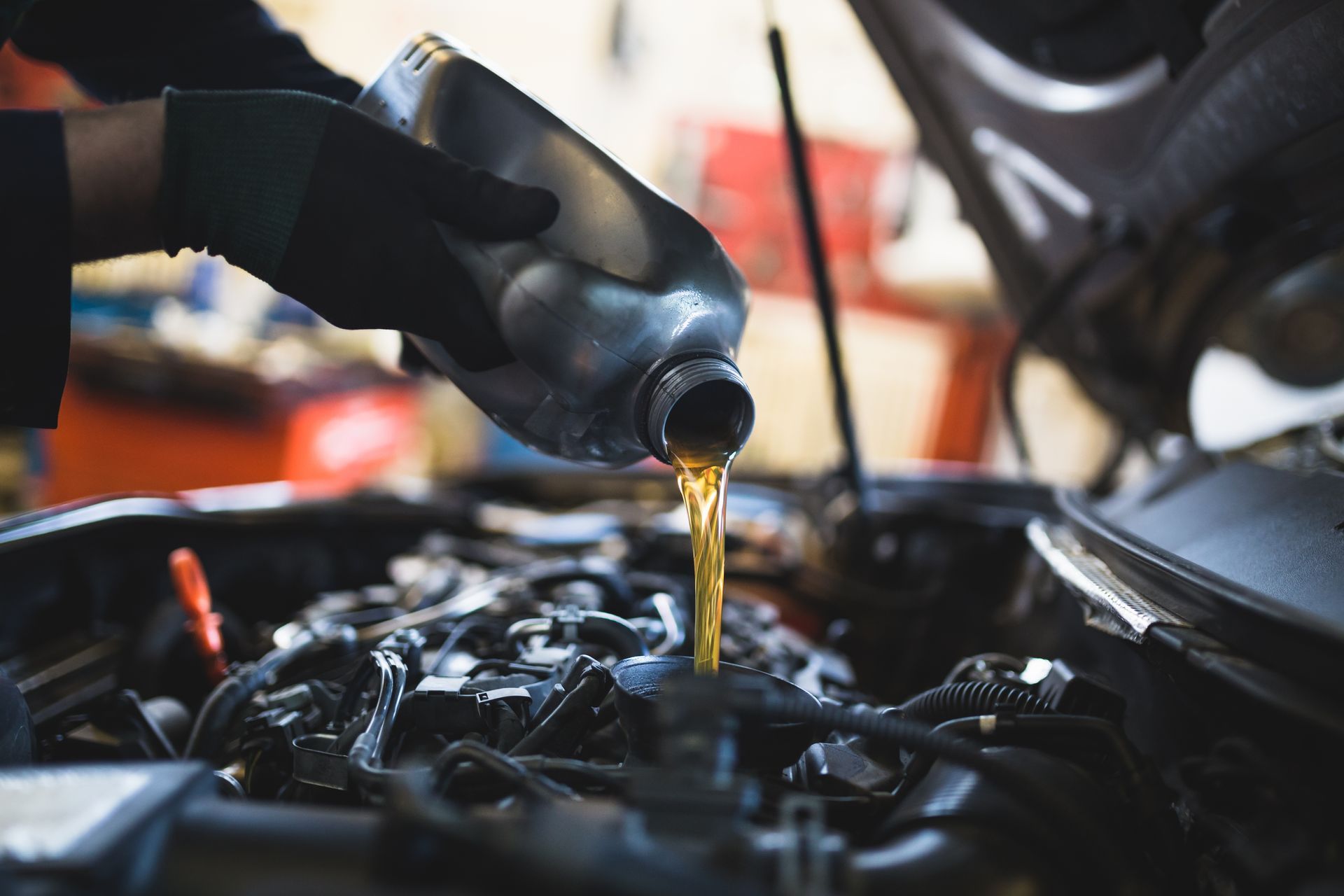
Factory-scheduled service is not simply about changing a fluid or installing a filter. You must use the correct specifications. Modern engines and transmissions can be very particular about oil viscosity, coolant chemistry, transmission fluid, brake fluid, and other service materials.
We match the service to the vehicle rather than assuming one product works for everything. The same goes for filters, spark plugs, and other replacement parts.
Correct procedures count as well. Some vehicles require electronic resets, special filling methods, or specific service steps after maintenance is completed. Following those requirements is part of doing the job correctly, no matter where the vehicle is serviced.
A Familiar Shop Can Make Long-Term Maintenance Easier
One advantage of bringing the vehicle back to the same repair shop is history. We can see what was done previously, what was noted for later, and how quickly different parts are wearing.
That becomes useful as the mileage climbs. If a small seep has stayed unchanged for two visits, that tells us something. If brake wear suddenly accelerates or tire wear develops on one edge, we can compare it with earlier visits instead of starting with no context.
Regular maintenance works better when it feels like a continuing plan rather than a series of unrelated appointments. Knowing the vehicle's history helps us make better recommendations as it ages.
Get Factory-Scheduled Service In Centereach, NY, With East End Auto Kicks
If your vehicle is approaching a factory maintenance interval, East End Auto Kicks in Centereach, NY, can review what is due, check the car's current condition, and help you plan the work based on what it actually needs.