You pop into the parts store, see shelves full of different coolants and oils, and it all starts to blur together. One jug says “universal,” another says “Asian vehicle,” and another is labeled “European formula.” On the oil side, you see synthetic, blends, and conventional, each in several viscosities.
When the car is low and you just want to top it off, it is very tempting to grab “something close” and pour it in. That habit can create problems that do not show up right away but shorten the life of parts you depend on.
Why Fluids Are Not “All the Same”
Under the hood, coolant and oil are more than colored liquids and slippery stuff. Each one is blended with specific additives for corrosion protection, temperature stability, and compatibility with the metals and seals inside your engine. Different manufacturers design their systems around certain chemistries, which is why your manual calls out exact specifications instead of just “green coolant” or “5W-30.”
When you mix fluids that were never meant to work together, you can dilute or cancel out those additives. The result may still look fine in the reservoir or on the dipstick, but it may not be doing the protective job it was designed to do. Problems usually show up slowly as deposits, corrosion, or leaks, not as an immediate failure the next day.
What Happens When You Mix Different Coolant Types
Coolant formulas vary a lot. There are traditional “green” coolants, long-life coolants, and versions designed specifically for certain European or Asian vehicles. They use different corrosion inhibitors to protect aluminum, iron, and mixed-metal systems. On top of that, water quality and mixture ratio affect how well they work.
When you pour one coolant type on top of another, they can react in a few ways. Sometimes they simply reduce each other’s corrosion protection and shorten service life. In worse cases, they can create sludge or gel-like deposits that plug small passages in radiators, heater cores, and engine jackets. We have seen vehicles where mixing coolants turned a clean system into a rusty, clogged mess that overheated long before it should have.
What Mixing Engine Oil Types Can Do
Mixing different brands or types of engine oil in an emergency top-off is usually less dramatic, but it is not ideal as a long-term strategy. Most oils that meet the same specification can live together without instantly causing harm, especially if viscosities match and you stick to the same basic type. The bigger risks come from ignoring the specification and viscosity for which your engine was designed.
Pouring a thicker oil into a modern engine that calls for a light synthetic can affect cold flow and valvetrain operation. Adding conventional oil to an engine that depends on high-quality synthetic can lower overall resistance to heat and breakdown. Over time, that can lead to more deposits, varnish, and sludge. We have seen engines stay clean for very high mileage when drivers use the correct spec consistently, and we have also opened engines that were full of heavy buildup from years of “whatever is handy” top-offs.
Real-World Signs Fluid Mixing Has Caused Trouble
You usually do not see damage the same day you mix fluids. The signs creep in slowly, and they often look like unrelated problems at first. Some red flags include:
- Brown, rusty, or muddy coolant in the reservoir instead of a clear, bright color
- Gel-like sludge or particles floating in the coolant or collecting in the neck
- Heater that does not blow warm air even though the engine is up to temperature
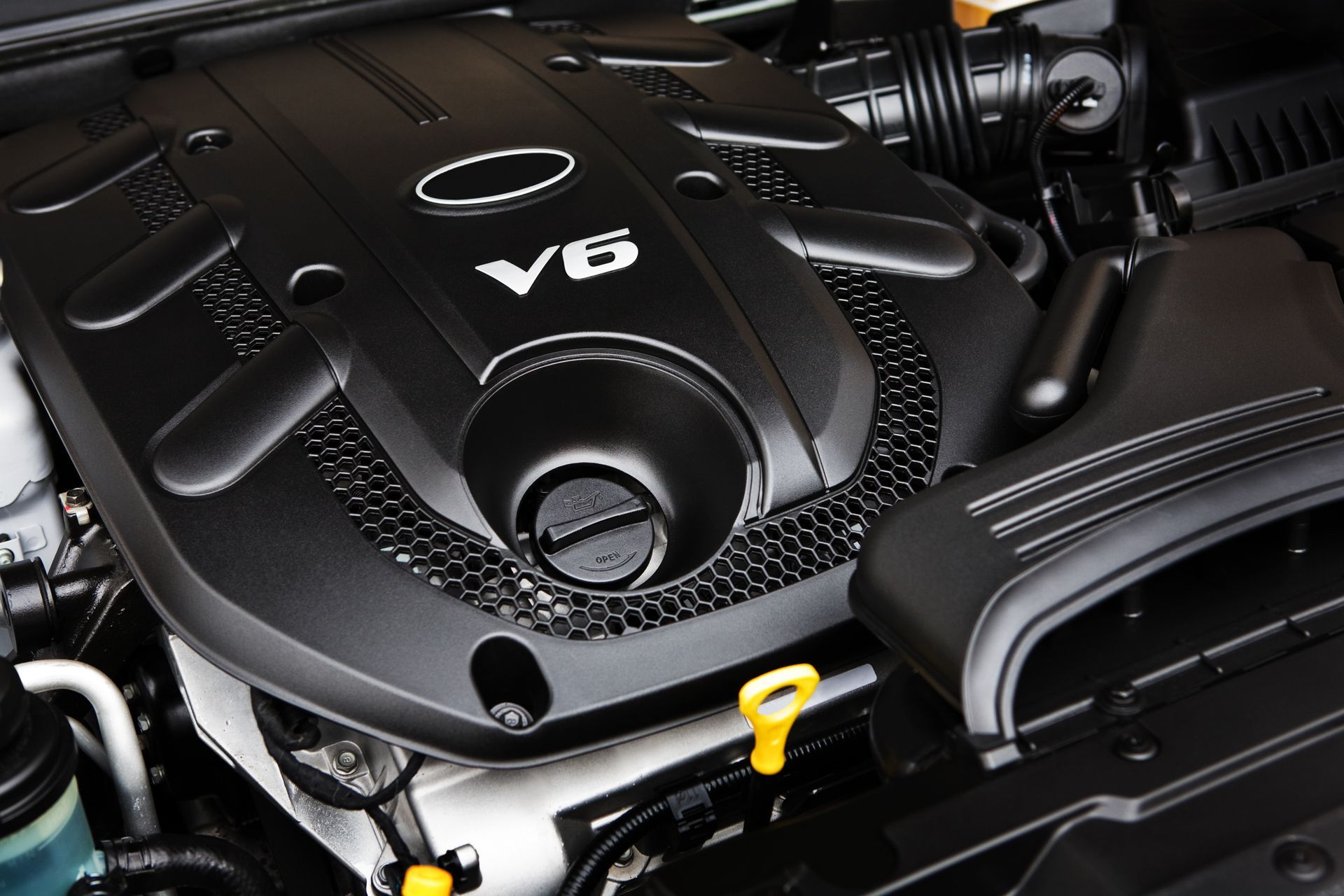
- Oil that turns thick and tar-like between changes, or heavy deposits under the oil cap
If you are seeing any of these, it is worth noting what has been added over the vehicle's life. That helps us decide whether a full flush and refill is needed instead of another quick top off.
Common Fluid Mistakes Drivers Make
Most fluid mixing problems start with understandable decisions. Some of the things we hear about all the time include topping off with plain water for months, using “universal” coolant to mix with whatever is already in the system, or grabbing any jug of oil that is close to the right number. It can feel like you are saving time and money, especially if you have never had a visible problem.
Another common issue is constantly topping off without fixing the root cause. If the engine or cooling system is already leaking, mixing multiple fluid types on top of that turns a simple repair into a messy one. By the time a proper flush occurs, the inside of the system may already be coated in hard-to-remove deposits. We always prefer to fix the leak and refill with the right fluid once, instead of stacking different products on top of each other.
How to Find Out What Your Car Really Needs
The safest way to avoid trouble is to match what your car was designed to use. The owner’s manual will list exact coolant types and oil specifications, sometimes with brand examples and sometimes with only a standard code. The cap under the hood may also show viscosity and type for oil. If you are not sure what is in the system now, it often makes sense to start fresh with a full drain, flush where needed, and refill with the correct fluids.
From there, staying consistent is simple. Keep notes of what was installed and when. Use the same specification at every service. If you ever have to top off in a pinch, treat that as a temporary fix and plan on getting the system back to one correct fluid, not a blend, at your next visit. When we service vehicles, we focus on matching the right fluids to the right engines and cooling systems so you are not left guessing.
Get Coolant and Oil Service in Centereach, NY with East End Auto Kicks
If you are worried you may have mixed fluids, or you just want to reset everything to the correct coolant and oil types, this is a good time to have it checked. We can inspect fluid conditions, flush contaminated systems, and refill with the right products for your vehicle.
Schedule coolant and oil service in Centereach, NY with
East End Auto Kicks, and we will help protect your engine and cooling system from the quiet damage that mismatched fluids can cause.