Turbocharged engines can feel strong and responsive for their size, but they are also tougher on engine oil than many non-turbo setups. Extra heat, higher pressures, and tighter oil passages mean the oil is doing more work every time you drive. That is why you may hear people say turbos need “special” oil schedules.
The real answer is a bit more nuanced, and it comes down to how the engine is built and how the vehicle is driven day to day.
How Turbo Engines Rely On Engine Oil
In a turbo engine, the turbocharger is driven by hot exhaust gases and spins at extremely high speeds. The bearings inside the turbo rely on a steady flow of clean, high-quality oil to stay lubricated and cool. If the oil breaks down, turns into sludge, or carries abrasive particles, those tiny passages can start to clog. Once that happens, the turbo bearings can overheat or score, and performance starts to suffer long before the turbo fully fails.
The rest of the engine is under extra stress as well. Higher cylinder pressures and more heat from boost can speed up oil oxidation and shear, especially if the intervals are stretched too far. That is why turbo engines are usually more sensitive to neglected oil service than older naturally aspirated engines. You might not notice problems right away, but the wear adds up quietly in the background.
Why Service Intervals Are So Critical For Turbos
Most modern owners’ manuals already specify different oil change intervals for turbo engines, often with a shorter schedule for “severe service.” That severe schedule is what many real-world drivers actually fall into, even if they do not realize it. Frequent short trips, stop-and-go commuting, and long periods of idling all count, because the oil never really gets a break. For a turbo engine living in those conditions, following the shorter interval is usually the safer choice.
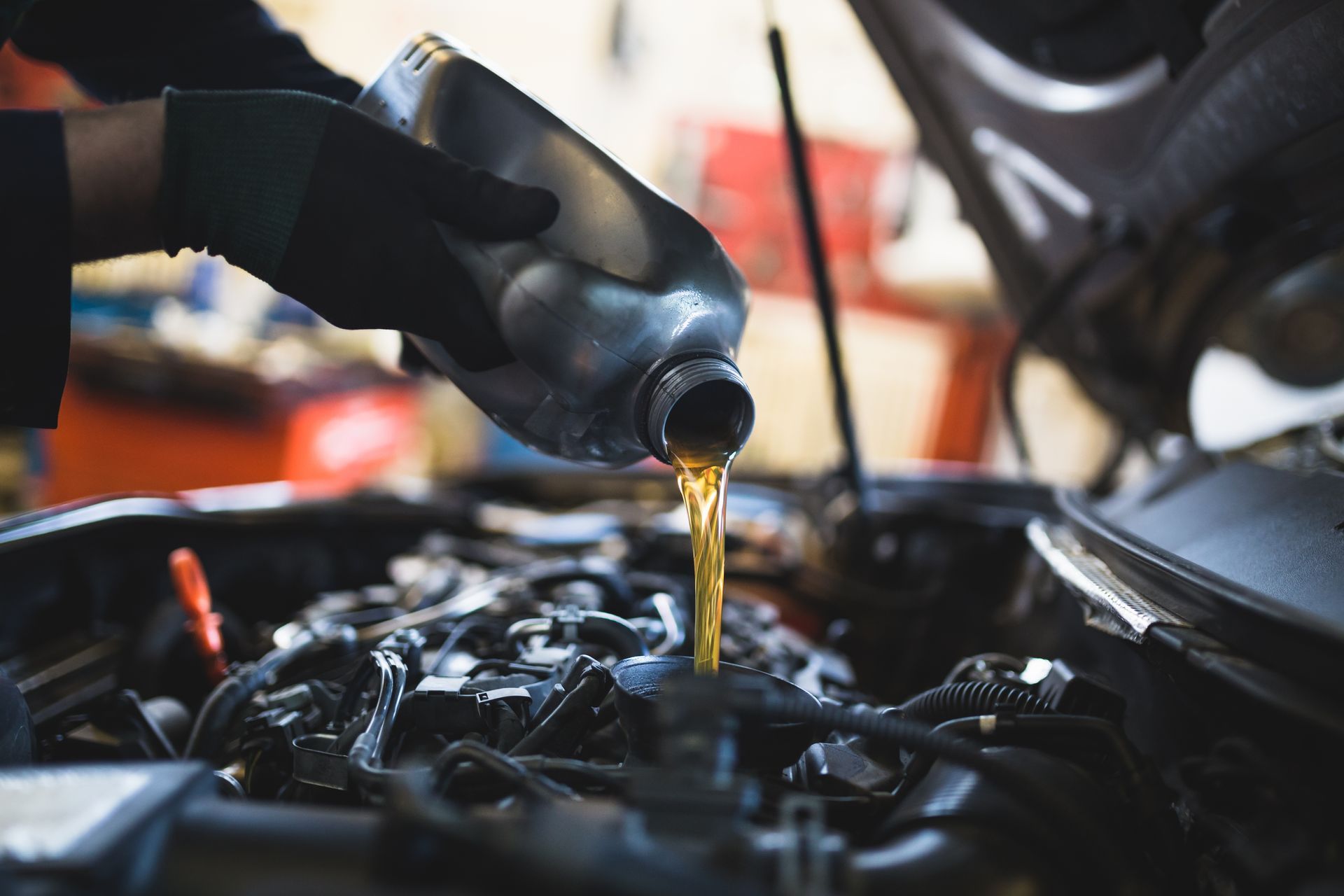
There is also the question of oil type. Many turbo engines are designed around full synthetic oil with specific approvals. That is not just marketing language. Synthetic oil holds up better to high temperatures, resists sludge formation, and keeps flowing when the turbo is still very hot after a hard drive. If the engine is built for synthetic, using conventional oil, and then stretching intervals, it can be a recipe for varnish, stuck rings, and early turbo wear.
Driving Conditions That Change Turbo Oil Change Timing
Even with the same engine and oil, two drivers can have very different ideal service intervals. How and where the vehicle is used plays a big role in how quickly the oil wears out.
Some driving patterns that usually justify shorter turbo oil intervals include:
- Lots of short trips where the engine barely warms up
- Heavy stop-and-go city traffic, especially in heat or cold
- Regular towing, hauling, or highway climbs under load
- Hard acceleration and frequent use of boost on spirited drives
On the other hand, a turbo engine that sees long, steady highway runs with proper warm-up might be okay closer to the upper end of the recommended range. The key is to match the schedule to the real conditions, not just the most optimistic number in the manual.
Owner Mistakes That Shorten Turbocharger Life
There are a few habits that tend to show up again and again when a turbo engine comes in with oil-related problems. Paying attention to these can make a big difference in how long the turbo and engine stay happy.
Skipping or stretching oil changes because the engine “still feels fine”
- Using the cheapest generic oil instead of the grade and spec the manufacturer calls for
- Ignoring low oil level between services and letting the engine run a quart or more low
- Shutting the engine off immediately after hard driving without a short cool-down period
Technicians see a pattern in which one or two of these habits combine with long intervals, leading to noisy turbos, oil consumption, or timing chain wear that could have been avoided with better service habits.
A Cost-Smart Plan For Turbo Oil Service
A good way to think about turbo oil service is as an insurance policy for the most expensive parts of the engine. Turbochargers, timing components, and high-pressure fuel systems all rely on clean oil, and they are not cheap to replace. Sticking to the severe-service schedule in the manual, or even coming in slightly early, usually costs far less over the life of the vehicle than major repairs later on. You can also ask a technician to look at your driving habits and tailor the interval a bit, instead of treating every vehicle exactly the same.
Using the correct synthetic oil, quality filters, and checking the oil level between services all play into that plan. It is also smart to combine oil changes with quick inspections of other fluids and under-hood components, so small leaks or issues are caught before they affect oil quality. Once a pattern is set that fits your driving, you can follow it consistently and feel more confident that the turbo is protected.
Get Turbo Engine Oil Service in Centereach, NY with East End Auto Kicks
We can look at your turbocharged vehicle, your driving habits, and the manufacturer’s specifications to build an oil service interval that makes sense in the real world. We use the correct oil and filters for your engine and keep an eye out for early signs of leaks or turbo-related wear. We know how much performance and reliability depend on clean oil in a boosted engine.
Schedule your next turbo oil service with
East End Auto Kicks in Centereach, NY, so you can keep enjoying strong, reliable power for the long haul.