A soft brake pedal can show up in a few different ways. Maybe the pedal travels farther than it used to, or it feels a little spongy when you press it. Sometimes it only happens after a long drive, and sometimes it is noticeable the first time you back out of the driveway.
Either way, a change in pedal feel is worth taking seriously because it can affect stopping distance. The cause is often something fixable, but you want to catch it before the pedal gets lower or braking becomes inconsistent.
What A Softer Brake Pedal Usually Means
Your brake pedal should feel firm and predictable, with the same response every time you press it. When it starts feeling softer, it usually means the hydraulic system is not building pressure as cleanly as it should. That can happen when air gets into the lines, fluid level drops, or components flex or leak under pressure.
A soft pedal is different from normal brake fade after a hard stop. If the pedal stays soft during normal driving, or it gradually gets worse over days or weeks, that points to a system issue that needs attention.
Air In The Brake Lines And Spongy Feel
Air is compressible, and brake fluid is not. That is why even a small amount of air in the brake lines can create a spongy pedal that feels springy instead of solid. Air can enter the system after a repair if the brakes were not bled fully, but it can also sneak in through a leak that is pulling air as fluid escapes.
You will notice the pedal getting firm if you pump it once or twice. That pattern often points toward air or a pressure issue that is letting the system compress more than it should. We see this most often after brakes have been serviced, or when a small leak has been ignored long enough for the fluid level to drop.
Low Brake Fluid And Hidden Leaks
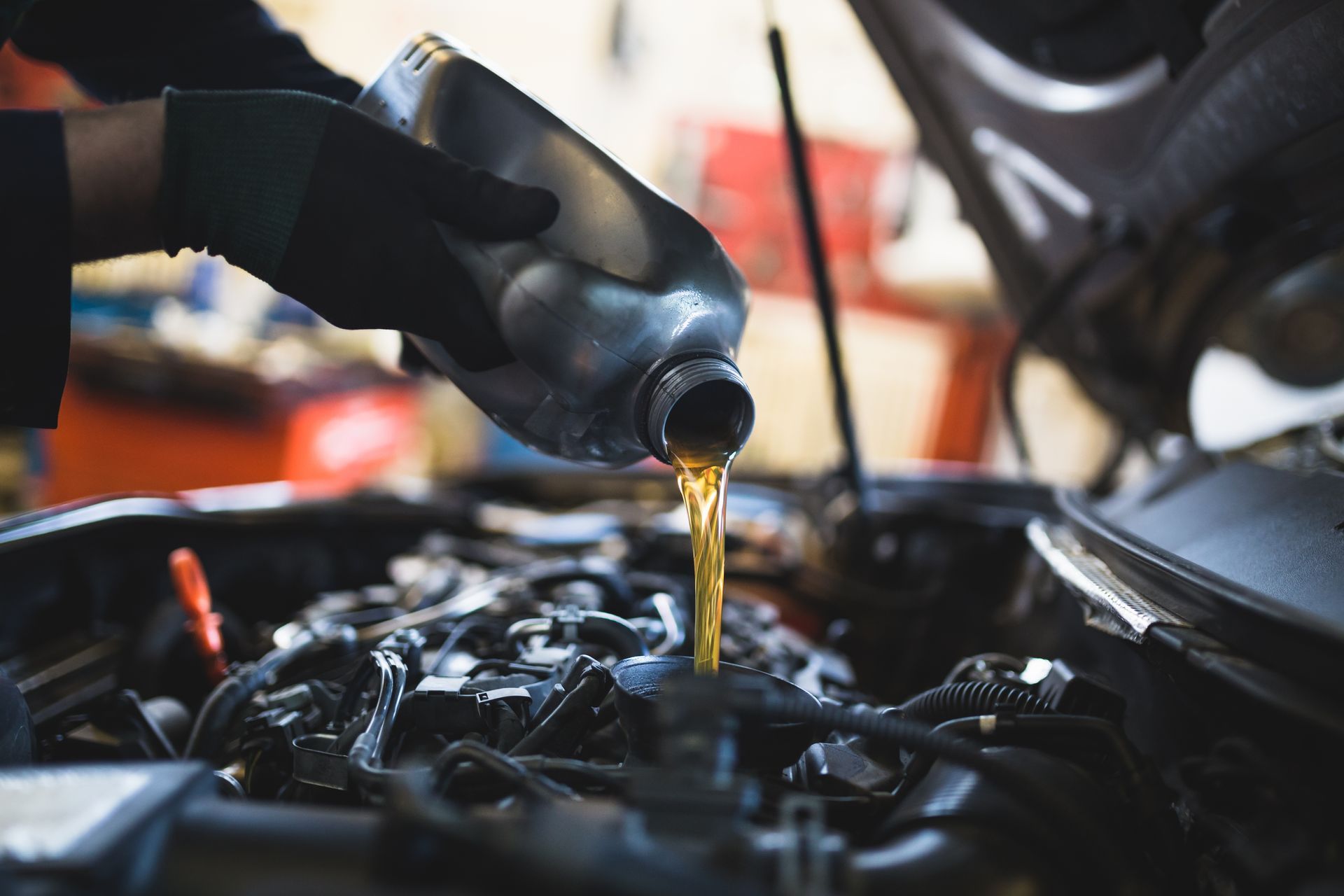
Low brake fluid is one of the simplest causes of a soft pedal, and it is also one of the easiest to miss. Brake fluid does not get used up like fuel, so when the level drops, it usually means it is going somewhere. That could be an external leak at a caliper, brake hose, or line, or it could be an internal leak inside the master cylinder.
If the level is low, you may also notice the brake warning light, but not always. A quick look at the reservoir helps, but topping it off without finding the cause can hide the real problem. A small leak today can quickly become a larger loss, especially when the brakes heat up and pressure increases.
Brake Pad Wear, Caliper Issues, And Flexing Components
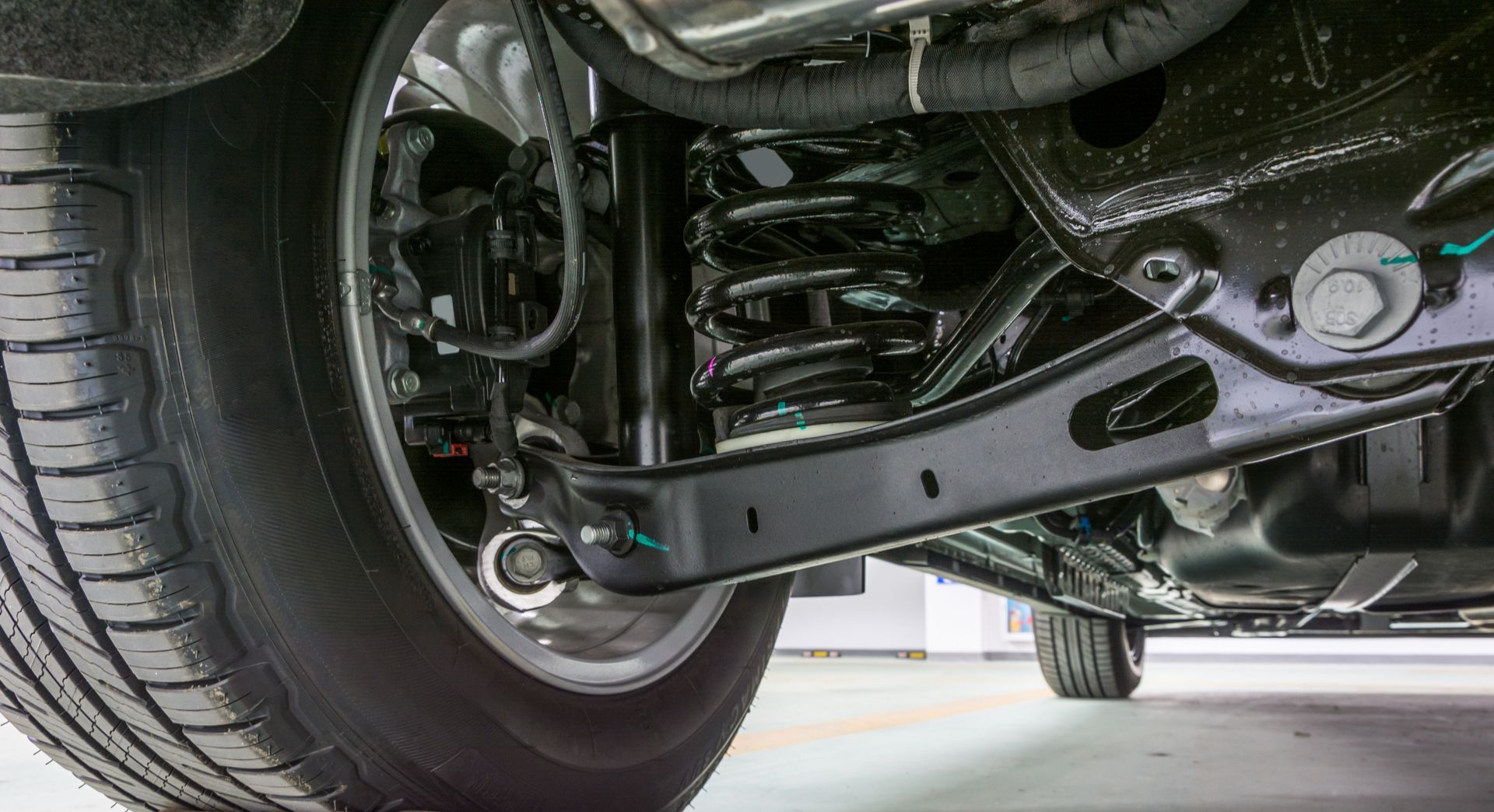
Worn brake pads do not always cause a soft pedal by themselves, but they can contribute to longer pedal travel. As pads wear thinner, the caliper piston sits farther out, and the system may need more pedal movement to clamp the pads. If the pads are very low or the caliper slides are sticking, the pedal can feel different, and braking can feel less consistent from one stop to the next.
A failing brake hose can also cause pedal changes. Some hoses can weaken internally and balloon slightly under pressure, which steals hydraulic force and makes the pedal feel softer. This is one of those problems that is hard to see from the outside, which is why a hands-on check matters.
Brake Fluid Moisture, Heat, And Temporary Softness
Brake fluid absorbs moisture over time, and that moisture lowers the boiling point. Under repeated braking, like stop-and-go traffic or long downhill driving, the fluid can get hot enough that moisture turns into vapor. Vapor compresses, so the pedal can feel soft or sink more than usual until everything cools down.
This is where regular maintenance makes a noticeable difference, because fresh fluid holds up better under heat and keeps the system cleaner inside. If your soft pedal shows up more after heat and heavy braking, fluid condition becomes a strong suspect.
ABS, Master Cylinder Wear, And Other Pressure Problems
Sometimes the softness is tied to how the ABS system and the master cylinder build and hold pressure. If the master cylinder seals are worn internally, the pedal may slowly sink while you are stopped at a light with steady pressure. That is not normal, and it often feels like the pedal is fading downward even though your foot is not moving.
ABS-related issues can also change pedal feel, especially if there is a fault that affects how pressure is modulated. You might notice warning lights, but you can also have a pedal feel change without an obvious alert. An inspection that checks for leaks, confirms fluid condition, and verifies pressure behavior is the safest way to sort out what is actually happening.
What To Do Next If The Pedal Feels Off
If the pedal suddenly feels much softer than normal, or it goes close to the floor, do not keep driving and hope it clears up. Find a safe place to stop, and check for obvious fluid loss near the wheels or under the vehicle once it is parked. If the reservoir is low or you see wet spots near a tire, treat it as a priority.
Even if the brakes still stop the car, a soft pedal can get worse quickly. Our technicians typically start by checking fluid level and condition, looking for leaks, and verifying caliper and hose behavior under pressure. Catching the issue early is usually simpler than waiting until braking performance changes in an obvious way.
Get Brake Pedal Service In Centereach, NY, With East End Auto Kicks
If your brake pedal feels softer than usual, the next step is to book service so the cause can be corrected before it affects stopping power.
Schedule service with
East End Auto Kicks in Centereach, NY, to have the braking system checked, repaired as needed, and brought back to a firm, confident pedal feel.