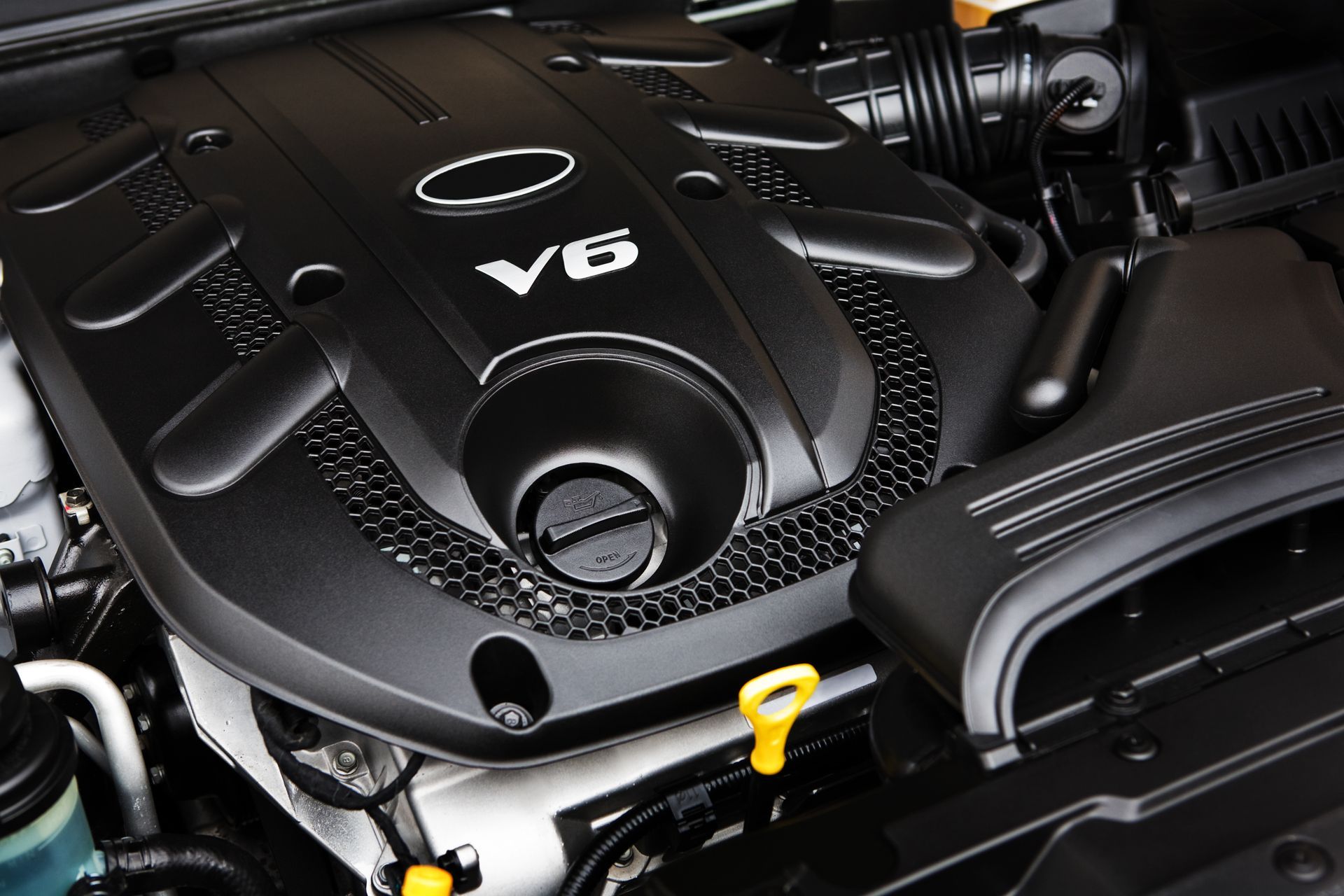
A sensor comes out of the engine bay, and most of what you can see is plastic. After paying for the repair, it's reasonable to wonder why a part that looks so ordinary stopped the car or lit up the dashboard.
The case isn't the whole sensor. Inside, electronics or a sensing element must work in a particular environment. Reliability depends on the design, sealing, installation, and electrical connections as well as the housing material.
Plastic Sensor Housings and the Failures Inside
Engineered plastics let manufacturers form a housing around small electronics, build in connectors, and isolate electrical parts. A molded case sometimes seals the sensing circuit against moisture while keeping weight and size down. Plastic formulations also vary widely by intended use. A household plastic part isn't a useful comparison for material designed to withstand a sensor's operating environment. The relevant question is whether the part tolerates the temperature, fluids, vibration, and electrical demands where it is installed.
Heat cycling, moisture entry, internal electronic failure, or damage to the sensing element sometimes causes the fault. Oil or coolant contamination can also cause it, especially if a leak reaches a connector or a seal is damaged. We'd check what stopped reaching the computer. A temperature reading that stays implausibly cold needs its circuit tested. A crankshaft signal that drops out hot needs the fault reproduced at that temperature. The plastic case tells us little about which failure is present until we measure the output and its supply.
A Sensor Code Sometimes Begins With the Wiring
A damaged wire, poor ground, loose terminal, or corroded connector changes the same signal the computer uses to judge a sensor. A fault code then records what the computer detected, not necessarily what part should be purchased. Before replacing the sensor, we'd check the connection and compare its reading with the engine's actual condition. If several faults appeared together, we'd look for a shared supply or wiring issue. Replacing each named sensor separately can miss the one damaged circuit they share.
Where a Low-Quality Replacement Creates Trouble
A replacement needs more than matching threads or a connector that plugs in. Signal characteristics, fit, sealing, and operating range have to match the vehicle. A part outside those requirements sometimes reports a believable but inaccurate value, making the car harder to troubleshoot than a sensor with no output.
That is where quality and application information tell us more than the appearance of the case. We'd choose a replacement supported for the exact engine and function, then check the live readings after installation. An inexpensive part isn't automatically wrong, but its specification and consistency still need to fit the job.
Checks That Explain a Sensor Recommendation
The estimate should connect the part with findings such as:
- A signal that drops out while the fault occurs
- Power and ground confirmed at the connector
- A reading inconsistent with a separate measurement
- Physical damage or fluid intrusion
- A failed calibration or setup where the procedure requires it
Those details explain the repair better than saying modern cars just have too many sensors. They also help separate a failed part from a connection that needs cleaning, repair, or replacement.
Why a Recurring Sensor Failure Needs Another Look
If a replacement fails again, check what surrounds it. A leaking seal sometimes keeps feeding oil into the connector. A strained wire or broken mounting point can damage the new part every time the engine moves.
We'd review the previous part, installation, and operating conditions rather than assume the second failure has exactly the same cause. Heat-related symptoms need hot checks; moisture-related faults need the relevant seals and connections inspected. A repeat visit should build on the first findings, not simply repeat the same parts order.
More Sensors Also Make Some Faults Visible Sooner
Modern controls monitor conditions an older car might never report. An emissions fault sometimes lights the check engine lamp while the engine still feels normal. The driver sees the warning even though the car keeps running.
That isn't a reason to ignore the lamp, but it changes the repair discussion. An EVAP leak presents a different urgency from a flashing warning with severe misfiring. Read the manual and describe the physical symptoms. The specific code and checks determine what is failing and how the car should be used before repair.
What You Can Do Before the Appointment
Keep the warning information stored and note when the fault appears. Tell us about recent work, fluid leaks, rodent damage, or a battery problem. If a part was replaced elsewhere, bring the invoice so we know what was fitted.
Avoid unplugging sensors or clearing codes as a test. That can sometimes add faults and remove the conditions recorded with the original warning. A clear description of the drive when it happened is more helpful than a dashboard reset just before arrival.
Sensor and Electrical Testing at East End Auto Kicks
East End Auto Kicks in Centereach, NY, can compare sensor readings, check wiring behind a fault code, and review recurring replacement issues. Describe when the warning appears and any recent repairs.
Call
East End Auto Kicks to arrange sensor or electrical testing before ordering another part.